
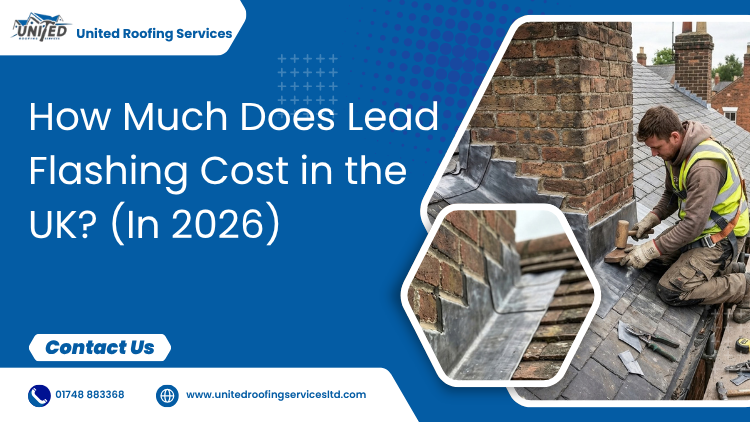
Lead flashing in the UK typically costs between £150 for a small repair and £2,500 or more for re-flashing an entire roof. A standard chimney job usually falls between £400 and £1,200. In most cases, it’s the access you need, not the lead itself, that decides where your quote lands.
Noticed a damp stain on the ceiling near your chimney, or lead that has started to peel away from a wall? Then you’re probably wondering what the fix will cost and whether it needs a specialist. This guide covers that How Much Does Lead Flashing Cost in the UK, what to budget for each type of job, and the warning signs worth acting on early.
Lead Flashing Prices at a Glance
| Job | Typical Cost (2026) |
|---|---|
| Minor repair or re-dressing (no scaffold) | £150 to £350 |
| Minor repair (scaffold needed) | £450 to £650 |
| Chimney flashing, full replacement (no scaffold) | £400 to £650 |
| Chimney flashing, full replacement (scaffold needed) | £700 to £1,200 |
| Valley flashing | £500 to £1,200 |
| Wall or abutment flashing | £300 to £700 |
| Whole-roof flashing | £1,200 to £2,500+ |
| Scaffolding on its own | £500 to £1,200 |
These figures cover labour and materials but not VAT, unless your roofer says otherwise. Expect prices in London and the South East, Richmond included, to sit a little higher than in the North.
Cost of Lead flashing by Type of Job
The cost of lead flashing changes a lot depending on where it is fitted and how much of the roof it covers. Chimney work is the most common job, while valleys and whole-roof jobs need more time and materials. The table below shows what to expect for each type, with and without scaffolding where it applies.
| Type of Job | Typical Cost | What to Know |
|---|---|---|
| Chimney Flashing | £400 to £650 without scaffolding, £700 to £1,200 with it | A full set includes the front apron, side step flashings and a back gutter. This is the most common lead job. |
| Valley Flashing | £500 to £1,200 | Cost depends on length and pitch. Valleys are among the trickiest details, since the lining must be lapped correctly to cope with heavy rain. |
| Wall or Abutment Flashing | £300 to £700 | Covers places where a roof meets a wall, such as a lean-to or an extension. Cost depends on the length of the run and how easy it is to reach. |
| Whole-Roof Flashing | £1,200 to £2,500 or more | Often cheaper to combine with other roof work, so you don’t pay for scaffolding twice. |
What Factors that effect the cost of Lead flashing
Access and Scaffolding
The biggest factor. A ladder may be enough for a single storey, but a chimney on a two-storey house usually needs scaffolding, adding £500 to £1,200. Safe access is also a legal requirement under the Work at Height Regulations 2005.
Lead Code
Code 3 is for soakers, Code 4 for general flashings, Code 5 for valleys and back gutters, and Code 8 for heavy-duty areas. Thicker lead costs more but lasts far longer, so it’s not worth cutting corners here.
Size and Complexity
An apron flashing takes a few hours, a full chimney most of a day, and a properly lapped valley lining one to two days. The more details a job has, the more labour it needs.
Property Type
Period homes in Richmond often need lead matched to the original detailing, especially in conservation areas. This can add both time and cost.
Location
Labour in London and the South East runs at roughly £200 to £300 a day, against £180 to £250 elsewhere in England.
Signs Your Flashing Needs Attention
Catching problems early keeps costs down. Look out for:
- Damp patches or staining on ceilings near a chimney or wall
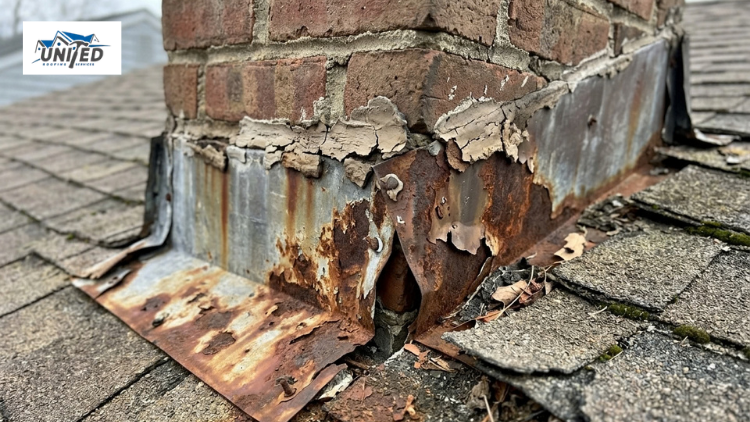
- Cracks, splits or holes in the lead
- Lead that has curled, lifted or pulled away from the brickwork
- White or green staining on the brick below the flashing
- Debris building up in a valley, which points to poor drainage
If you spot any of these, get them checked before the next heavy rain rather than waiting for a leak.
DIY fixing or Getting a Quote from Professional Roofer?
A confident DIY can manage very minor sealing, but most flashing sits at roof level where safe access is essential. Lead also has to be dressed and welted correctly. Pushing it back or smothering it in mastic usually fails within a year or two, so a DIY patch often ends up costing more once a proper fix is needed anyway. For anything beyond a small ground-level job, a reliable lead work service is the safer and cheaper choice in the long run.
Getting a Fair Quote
A good quote should list separately:
- The lead code and why it was chosen
- Labour, broken down by detail (steps, soakers, back gutter)
- Scaffolding or access as its own line
- Waste removal and making good of surrounding brickwork or tiles
At United Roofing Services Ltd, we’ve spent over 45 years working on roofs across Richmond. We offer a free, no-obligation survey so you’ll know whether your roof needs a repair or a full replacement before you commit to anything. Get in touch to book yours.
Frequently Asked Questions
Does home insurance cover lead flashing damage?
It depends on the cause. Sudden damage, such as from a storm, is often covered, while gradual wear or neglect usually isn’t. Check your policy first.
Is lead worth the extra cost compared with alternatives?
Generally, yes. Well-fitted lead can last 50 years or more, whereas flashing tape or mortar fillets often fail within a few years, so you end up paying twice.
How often does lead flashing need replacing?
Correctly fitted lead in the right code often lasts 40 to 70 years. If yours is failing much sooner, it was probably too thin for the job.
Can I combine flashing work with other roofing jobs?
Yes. Since scaffolding is often the biggest single cost, pairing flashing with repointing or tile repairs can save you money.
