
Look up at the edge of your roof, and you’ll spot two boards working together, though most homeowners couldn’t tell you which is which. People use fascia and soffit as if they mean the same thing, so often that many assume they do. They’re not, and mixing them up can lead to paying for the wrong repair entirely.
Each board does a distinct job. Once you know the difference between soffit and fascia, roofline problems are much easier to explain. It helps whether you’re talking to a roofer or just trying to work out if something’s serious.
What’s the Difference Between Soffit and Fascia?
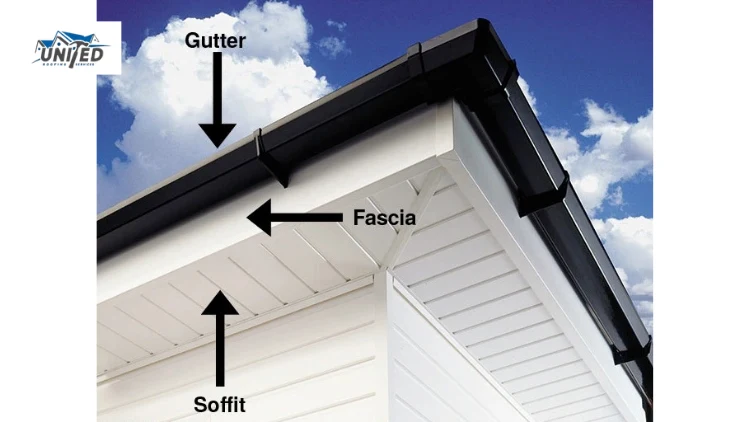
In short: the fascia is a vertical board fixed to the ends of your roof rafters. It runs along the roof edge and holds your guttering in place. The soffit is the horizontal board that sits underneath it. It closes the gap between the roof edge and your house wall.
Think of it like a box. The fascia is the front face, and the soffit is the underside. Without them, that part of your roof would sit exposed to the weather. Together, fascia and soffit seal and protect it.
What Is a Fascia?
A fascia board runs along the lower edge of your roof, fixed directly to the ends of the rafters. You see the board when you look up at the front edge of your roof from the street.
Its main jobs are to:
- Support the bottom row of roof tiles or slates
- Provide a fixing point for your guttering
- Protect the rafter ends from rain and damp
Because a fascia takes the full brunt of wind and rain year-round, it needs to be strong. Older properties often still have timber fascias, which look attractive but need regular painting or staining to stop them warping or rotting.
Most homes fitted or replaced in the last couple of decades use uPVC instead, since it holds up much better in London’s damp weather without ongoing maintenance.
What Is a Soffit?
A soffit sits directly beneath the fascia, closing the gap between the roof’s edge and your exterior wall. If a fascia is the front of that box, the soffit is the underside.
What is a soffit actually doing up there? A few things:
- Sealing the eaves so rain and wind can’t get into the roof space
- Keeping birds, insects and rodents out of your loft
- Allowing controlled airflow into the roof, which is essential for ventilation
That last point matters more than people expect. Many soffits include small perforations, called vents, that let air circulate through the roof space. Without that airflow, moisture builds up. This leads to condensation, mould, and eventually rot in the roof timbers. Building Regulations set clear ventilation standards to help prevent this.
Soffit vs Fascia: Key Differences at a Glance
Here’s the difference between soffit and fascia laid out simply:
| Fascia | Soffit | |
|---|---|---|
| Position | Vertical, at the roof’s edge | Horizontal, underneath the fascia |
| Main job | Supports tiles and guttering | Seals the eaves, allows ventilation |
| Faces | Outward, visible from the street | Downward, often less noticeable |
| Ventilation | No | Usually yes, if vented |
| Common signs of wear | Cracking, warping, sagging guttering | Staining, gaps, pest entry points |
Installers fit them as a pair, but you can’t swap one for the other. If one fails, the other usually follows, since they rely on each other to keep the roofline sealed.
Why Soffits and Fascia Boards Matter for Your Home
People see soffits and fascia boards as purely cosmetic, but they do real structural work.
Protecting Your Roofline from Damp and Rot
Fascias stop your rafter ends from soaking up rainwater. Soffits stop water and wind-driven rain from getting into the roof space through the eaves. Together, they form your first line of defence against slow, hidden water damage, the kind that’s expensive to fix once it takes hold.
Keeping Pests Out
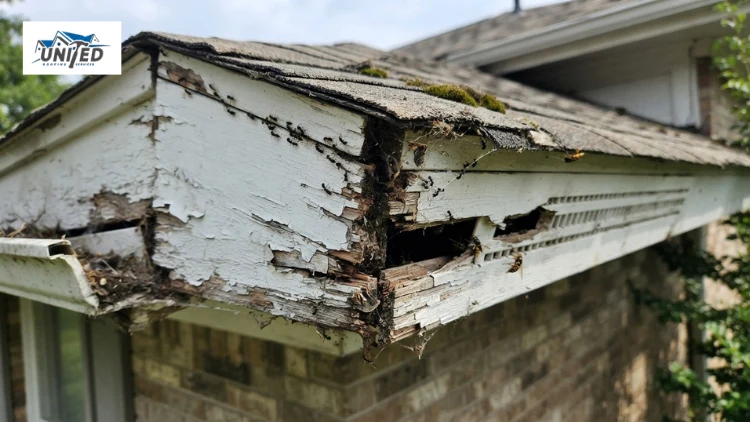
A loose or rotted soffit leaves a gap, and birds, squirrels, and wasps will happily nest in it. Once they’re in, getting them out (and repairing the damage they cause) is far more hassle than sorting the soffit before it fails.
Supporting Your Guttering System
Your fascia is what your guttering is actually bolted to. If a fascia board is soft, warped or rotten, it can’t hold the guttering securely. That’s often why guttering sags or pulls away from the roofline, sending rainwater down your walls instead of away from your home.
Get Expert Advice on Your Soffits and Fascia
Your soffits and fascia work quietly in the background until something goes wrong. If you’d like a professional opinion either way, we’re happy to help.
United Roofing Services has repaired and fitted fascias and soffits across Richmond for over 25 years. We offer honest, transparent advice, with no pressure to replace more than you actually need. Explore our fascia, soffits and guttering services in Richmond to see how we can help.
Ready to get started? Contact us for a free, no-obligation quote.
Frequently Asked Questions
Can you do a soffit without fascia?
No, a soffit needs the fascia in place to fix to and to form a proper seal at the roof’s edge. In practice, installers install the two as a single connected system rather than as standalone pieces.
How do you clean fascia and soffit boards?
A soft brush, warm water, and a mild detergent are usually enough for uPVC boards. Avoid abrasive scourers or harsh chemicals, as they can dull the surface over time. For anything above ground-floor height, it’s safer to have a professional do it rather than working from a ladder.
How often should you inspect fascia and soffit?
Once a year is a sensible baseline, ideally in autumn before winter weather sets in. If your property is older, surrounded by trees, or you’ve had roofline work done before, check it twice a year.
What is the best material for fascia and soffit?
For most homes, uPVC is the better choice. It resists rot, requires no painting, and stands up well to British weather. Timber can still suit period or conservation-area properties where you prefer a traditional look.
How long do soffits and fascias last?
uPVC soffits and fascias typically last 20 to 25 years with minimal upkeep. Timber versions can last 10 to 15 years, but only with regular maintenance. Untreated timber warps and rots far more easily.
